
Eating Your Way to Heart Health
Discover how strategic nutrition can support your cardiovascular wellness. Learn evidence-based dietary approaches to help prevent common heart concerns through informed food choices.
The information on this site is for educational purposes only and does not constitute medical advice. Always consult a qualified healthcare professional before making health decisions.
Why Nutrition Matters for Your Heart
Your dietary choices directly influence cardiovascular function. Research consistently shows that certain nutrients and eating patterns support healthy heart function, while others may place stress on your system.
Blood Vessel Support
Certain nutrients help maintain healthy blood vessel function and flexibility, supporting optimal circulation throughout your body.
Lipid Balance
Smart food selection influences cholesterol levels and triglycerides, key markers in cardiovascular health assessment.
Antioxidant Power
Plant-based foods contain protective compounds that help combat oxidative stress, supporting long-term cardiovascular resilience.
Hydration & Balance
Proper electrolyte balance and hydration are fundamental to heart rhythm and overall cardiovascular function.
The Mediterranean Approach to Heart Health
The Mediterranean dietary pattern has earned recognition in nutritional research for its comprehensive approach to supporting cardiovascular wellness. This pattern emphasizes whole foods, healthy fats, and plant-based nutrition.
Key elements include abundant vegetables, fruits, whole grains, legumes, nuts, and olive oil as the primary fat source. Fish and seafood appear regularly, while processed foods and excessive salt are minimized.
This approach isn't about restriction—it's about making informed choices that naturally support your cardiovascular system through nutrient-dense, satisfying foods.
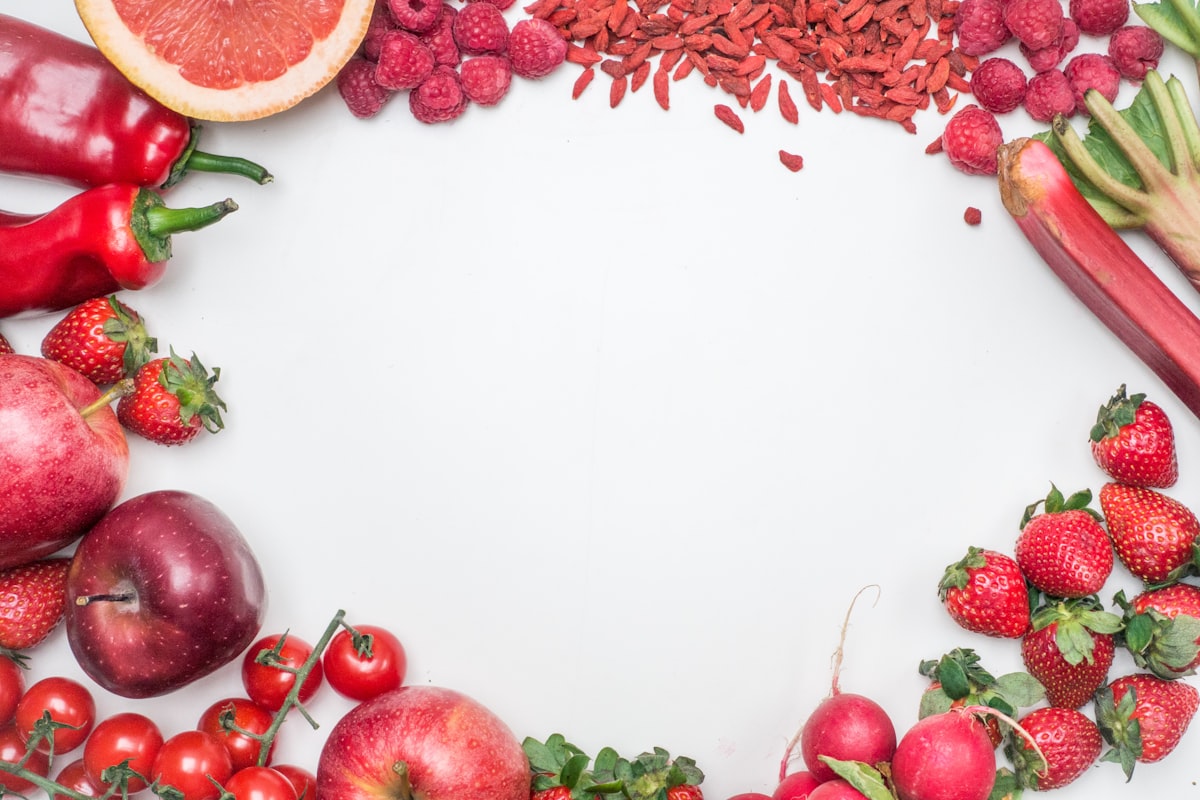
Essential Heart-Healthy Food Groups
Fatty Fish & Seafood
Salmon, mackerel, sardines, and other oily fish contain omega-3 fatty acids that support cardiovascular function. Include fish at least twice weekly in your eating pattern.
Examples: salmon, herring, sardines, mackerel, trout
Vegetables & Leafy Greens
Rich in vitamins, minerals, and fiber, vegetables form the foundation of heart-healthy eating. Aim for colorful variety to maximize nutrient intake across meals.
Examples: spinach, kale, broccoli, carrots, bell peppers, tomatoes
Fresh Fruits & Berries
Fruits provide natural sugars, fiber, and protective antioxidants. Berries in particular contain beneficial polyphenols that support cardiovascular wellness.
Examples: berries, citrus, apples, pears, pomegranate
Nuts, Seeds & Legumes
These protein-rich foods contain healthy fats, fiber, and minerals. Almonds, walnuts, beans, and lentils are excellent additions to your daily nutrition.
Examples: almonds, walnuts, beans, lentils, chickpeas, seeds
Whole Grains
High in fiber and nutrients, whole grains help maintain stable energy and support healthy cholesterol levels. Choose grains over refined carbohydrates.
Examples: oats, brown rice, quinoa, barley, whole wheat
Healthy Oils
Extra virgin olive oil is the foundation of healthy fat intake in heart-conscious eating. It contains polyphenols and monounsaturated fats that support cardiovascular function.
Primary choice: extra virgin olive oil
Your 30-Day Heart-Health Nutrition Journey
Starting a heart-healthy eating pattern doesn't happen overnight. Here's a practical framework for gradually integrating these principles into your daily routine.
Week 1: Assessment & Awareness
Track your current eating patterns for 3 days. Identify which meals include processed foods, excess salt, or unhealthy fats. Begin reading nutrition labels on items you purchase regularly.
- Log your meals
- Check ingredient labels
- Notice hunger patterns
Week 2: Add Plant Foods
Begin adding one additional vegetable or fruit serving to each meal. Experiment with different colors and types. Try cooking with olive oil instead of other fats when possible.
- Add veggies to breakfast
- Swap cooking oils
- Try new fruits
Week 3: Whole Grains & Fish
Replace refined grains with whole grain options in at least two meals daily. Include fish or seafood at least twice this week. Experiment with nuts and seeds as snacks.
- Switch to whole grains
- Add fish twice
- Try nut snacks
Week 4: Reduce & Optimize
Gradually reduce processed foods and excess salt. Replace one processed snack daily with whole food alternatives. Evaluate your progress and plan sustainable long-term adjustments.
- Cut processed items
- Lower salt intake
- Plan sustainable habits
Ready to explore comprehensive nutrition guidance? Access our detailed resources on heart-healthy eating patterns.
Browse Nutrition ResourcesTransform Your Cardiovascular Health Through Nutrition
Every meal is an opportunity to support your heart. Learn from our comprehensive editorial content about nutrition's role in cardiovascular wellness. Get started today with evidence-based guidance.
How Readers Are Transforming Their Health
Discover how people across Indonesia have integrated heart-healthy nutrition into their daily lives and experienced positive changes.
"I've been following the nutrition guidance provided here for three months. The approach is practical—no extreme restrictions, just smart food choices. My energy levels have improved noticeably, and my latest health checkup showed positive changes in my cardiovascular markers. What impressed me most was how the information explained the 'why' behind each recommendation."
Budi Santoso
Jakarta, Indonesia
"The detailed articles about Mediterranean nutrition have completely changed how I prepare meals. I love that everything is explained clearly without medical jargon. My wife and I are both following these principles now, and we feel great. Very accessible content for everyday people."
Siti Rahma
Bandung, Indonesia
"After my doctor mentioned cardiovascular concerns, I found this resource online. The nutrition frameworks helped me understand which foods truly matter and which claims are marketing hype. Six weeks in, I'm sleeping better and my afternoon energy slumps have disappeared. Highly recommend."
Ahmad Wijaya
Surabaya, Indonesia
"What sets this apart is the focus on sustainable changes rather than quick fixes. The step-by-step approach over four weeks made it easy to adopt without feeling overwhelmed. I've shared the links with friends and family—everyone appreciates the honest, science-based information."
Dewi Kusuma
Medan, Indonesia
Common Nutrition Questions
Get answers to frequently asked questions about heart-healthy nutrition, dietary changes, and implementation strategies.
How quickly will I see changes from dietary adjustments?
Changes happen at different rates for different people. Some experience improved energy and sleep quality within days or weeks. Cardiovascular markers typically show measurable changes over 4-8 weeks of consistent dietary adjustments. Long-term structural adaptations may take several months to become evident in health checkups.
Is the Mediterranean diet suitable for all body types?
The Mediterranean pattern is highly adaptable. The principles focus on food quality and balance rather than strict portion control, making it flexible for various body compositions and metabolic needs. Individual adjustments may be necessary based on personal health considerations and activity levels.
Can I follow heart-healthy nutrition on a budget?
Absolutely. Heart-healthy eating doesn't require expensive superfoods. Seasonal vegetables, dried beans, rice, and economical proteins like eggs provide excellent nutrition at low cost. Buying in bulk and reducing processed foods typically reduces overall food spending while improving nutritional quality.
What if I have existing dietary restrictions or allergies?
Heart-healthy principles are highly customizable. Whether you follow vegetarian, gluten-free, or allergy-conscious eating, the core concepts of whole foods, plant emphasis, and healthy fats apply. Our detailed content explores multiple adaptation strategies for various dietary needs.
How do I balance flavor and health in cooking?
Heart-healthy cooking techniques preserve taste through herbs, spices, garlic, and quality ingredients rather than relying on salt and unhealthy fats. Olive oil, citrus, vinegars, and aromatic seasonings create delicious meals that support your cardiovascular wellness goals.
Can supplements replace a heart-healthy diet?
Whole foods provide nutrient synergy and fiber that supplements cannot fully replicate. A well-planned diet should be your foundation, with supplements playing only a supporting role for specific documented deficiencies. Always consult healthcare professionals before starting supplement protocols.
Have additional questions about nutrition and cardiovascular wellness?
Send Us Your QuestionsWhy Choose Menshealthfoodcore
Our editorial platform combines nutritional science with practical, accessible guidance for men seeking to optimize their cardiovascular health through informed dietary choices.
Science-Based Content
Our articles draw from peer-reviewed research and established nutritional science. Every recommendation is grounded in evidence, not marketing hype or unproven claims.
Practical Implementation Guides
We don't just explain nutrition theory—we provide step-by-step guidance for integrating healthy eating into your real life, with budget-conscious and time-efficient strategies.
Culturally Relevant for Indonesia
Our content considers Indonesian food traditions, local ingredient availability, and climate-appropriate nutrition strategies. We build on what's familiar rather than imposing foreign frameworks.
No Pressure, No Selling
This is an information resource, not a marketplace. We focus purely on providing valuable, honest content without trying to sell you supplements, products, or services.
Sustainable Focus
We emphasize long-term lifestyle adjustments over quick fixes. Our approach supports lasting change—the kind that becomes a permanent part of your health routine.
Transparency & Honesty
We clearly separate what science supports from what remains uncertain. We acknowledge limitations and encourage you to consult with healthcare professionals on individual concerns.
Start Your Heart-Health Nutrition Journey Today
Discover comprehensive, evidence-based articles on cardiovascular nutrition. Explore practical strategies for sustainable dietary change. Get the information you need to make confident, heart-healthy food choices.